General Information about the Islam

Home » Islam » General Information
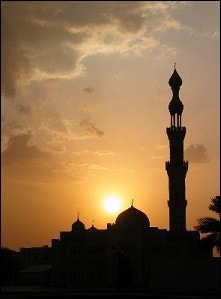

Islam Muslim


Islam (Arabic: الإسلام) al-Islam (Persian: اسلام) is a monotheistic religion (one god) and one of the three major (re) called Abrahamic religions. The Arabic word Islam literally means surrender (to God) and submission and stresses the fundamental principle that a religious follower of Islam (Muslim) yields to God's will and laws. The main holy book for Muslims, the Qur'an, which they believe that God the text through the Archangel Gabriel to Muhammad as a prophet and messenger passed. The number of Muslims worldwide is estimated at over 1.5 billion.

Muslims can the word Muslim in a broader sense to use: someone who gives to God. Under this definition, for example, Adam, Abraham and Jesus Muslims. Based on the Koran they are called Hanif (eg Sura The Cow 135-136), a pre-Islamic monotheist.


History:


Islam originated in the 7th century. For Muslims received the Prophet and the messenger Muhammad through the archangel Gabriel revelation of God, which he called the faith of Abraham and Adam re-introduce. For Muslims, Islam is also the original religion as revealed to Abraham, Moses, Jesus and other Islamic prophets. Previous prophets, including Moses and Jesus were sent to a people, while Muhammad as prophet of all nations is considered.

The Qur'an frequently refers to stories about the prophets of the Torah and the Bible, like Moses and Jesus, but Mary is frequently called. Sometimes the message is consistent, but in style and content are significant differences. Also, several pagan traditions of Islamic animist religions in Islam as it integrated the Kaaba shrine and the rounds that are made around it during the Hajj and oemra (tawaf), elements which the Islamic tradition of Abraham should be returned.

Muhammad in Islam is usually seen as the last prophet that the history of the ongoing revelation of God's will has ended, and had called the Seal of the Prophets. The "Seal of the Prophets" would have been a mole the size of an egg and was, according to tradition under his neck between his shoulders. A total of 25 prophets mentioned in the Quran, including Adam, Abraham, Moses and Jesus, but the exact number is unknown

Islam is for Muslims the perfection of the monotheistic religion of God. 'Allah' is Arabic for "God". Because the use of Islamic Arabic term for God that Christians are sometimes the assumption here that a god was at stake than the God of the Christians, but that is certainly not the word itself to make. From the perspective of the Muslim Allah is the Arabic name for the same God as the Jews and the Christians. Arabic-speaking Christians also use Allah to refer them to God

Islam teaches that all living beings on Earth on the day of resurrection will be judged by God and on the basis of their deeds. Unlike Christianity, Islam teaches no original sin, but the tendency of everyone to the right path to stray. Islam, Christians have a similar view of the Muslim holy spirit, called Roeh Al-Qoedoes, but, the Holy Trinity resolutely.

Adam is in the Quran as well as Eve (not mentioned by name) held responsible for the fall. He had to dissuade his partner because of breaking God's commandment. "Sin" for the Muslim committing errors by poor external influence or own soul. Behavioral come partly from within (nafs) and partly external (influence of friends, people with a bad influence, influence by the consumer, influence of Satan). Bad deeds can be partly offset by the performance of Fard (religious duties), submission to the will of God and doing good deeds. Everyone's good and bad deeds will be weighed against each other on the "day of resurrection ', or' the hour 'or' the days of the assessment" mentioned. The forgiveness of God (Rahim), people can reach the sky. Sometimes a temporary punishment in hell followed. A positive balance always results in direct admission to paradise. Eternal punishment Ridda Muslims who have committed, or have denied God's existence and have thus questioned the substance of the creed.

Generally accepted belief in the arrival of a messianic figure, al Mahdi ( "guided by God"), the world will bring justice back and will bring the true Islam. But because the Koran says nothing about and about some of Muhammad's statements, as recorded in the Hadith, unreliable found, the identity of this figure under discussion in Islam. So it might be the prophet Jesus as Messiah, but would also apply to the Prophet Jesus the Messiah to bring this day will come. At this point, the Shiites and Sunnis very divergent views.

Paradise (djenna) is described in the Quran as a place with no trouble, sorrow or fatigue is where the righteous and the face of God to see. The Paradise residents may be on side benches on the banks of rivers, while enjoying heavenly food and drink, which they are presented by young men. Donkerogige virgins (hoerris) are constantly at their disposal. Many believers understand this description literally. Muslim scholars also emphasize the allegorical nature. Thus, the good deeds the trees and the rivers symbolize the faith of the righteous. Because the good women of the righteous in the Garden, the hoerris, like the food and beverages, are symbolic of spiritual blessings. Incidentally, the term hoerris only twice in those verses in the previous period (in Mecca) are revealed. More often it is neutral for zawjd, that partner can be translated. Especially for a feminist interpretation of the Koran is this of interest. Also on Islam and homosexuality in these verses may seem a number of references to assist

5 Pillars:


The practice of the Islamic faith is based on a system of rites and duties, the fiqh, the "Five Pillars of Islam" the most important, namely the testimony (the shahada), performing the obligatory prayers five times daily (the salat ), almsgiving (the zakat), fasting during the day in the month of Ramadan and making a pilgrimage to Mecca (the hajj). Every Muslim is obliged traditional, if at all possible, keep these five operations. Displays the personal discipline of each believer as well as the communion and obedient service to God expressed.
A Muslim must adhere to these five pillars of Islam.

The Islamic holy book (Arabic: كتب سماوية إسلامية koetoeb sumawia Islamia, exalted Islamic books) are the documents which Muslims believe that they were messengers from God inspired. It concerns the Suhuf Ibrahim (Scrolls of Abraham), the Tawrat (Torah), the Zabur (Psalms), the Injil (Gospel) and Qur'an.


Different Schools within Islam:

Within Islam there are different schools. The two main streams have emerged as a result of a dispute over the succession to Mohammed. Islam has no central doctrinal authority, and thus there is no religious-spiritual leader, as the Pope in the Roman Catholic Church, whose authority is recognized.
The succession dispute arose because Muhammad, despite nine women had no living male offspring sired (his only son was young deceased). To the dismay of some Muslims, following the death of his friend Mohammed Abu Bakr as successor accepted and not Ali, a cousin (and son) of Muhammad. Ali eventually became the fourth caliph, but he was murdered in 661. His son Hussein succeeded him, but in 680 was also slain by the army of the Umayyad. After a small thirty years resulted in the emergence of two main currents: the Shiism and Sunni Islam.

The Sunni Islam and Shiism differ not so much in basic theology and religious obligations, but in non-compulsory celebrations, traditions and practices. There are different versions of the Hadith used.